


In the vast expanse of the African savannah, elephants are redefining the concept of life beyond death.
A recent research study led by an international team of scientists delved into the impact of elephant carcasses in Kruger National Park, South Africa.
These majestic creatures, often known as “ecosystem engineers,” shape the savannah during their lives by creating water sources, altering vegetation, and consuming vast amounts of plant life.
Ecologist Courtney Reed, the study’s lead author, explained that the research aimed to uncover whether the influence of elephant carcasses on the ecosystem persists post-mortem.
The study’s findings, published in the Proceedings of the National Academy of Sciences of the United States of America, reveal the enduring impact of elephant decomposition on soil nutrients and biodiversity.
Sustainable Ecosystem Renewal
Through an analysis of soil composition, plant life, and animal behavior around elephant megacarcasses, researchers discovered the substantial release of nutrients during decomposition. This nutrient influx stimulated plant growth and attracted herbivores for years following the elephants’ demise.
The study indicated that the effects of decomposition continue for over seven years, although initially causing a decline in vegetation due to the overwhelming nutrient concentration.
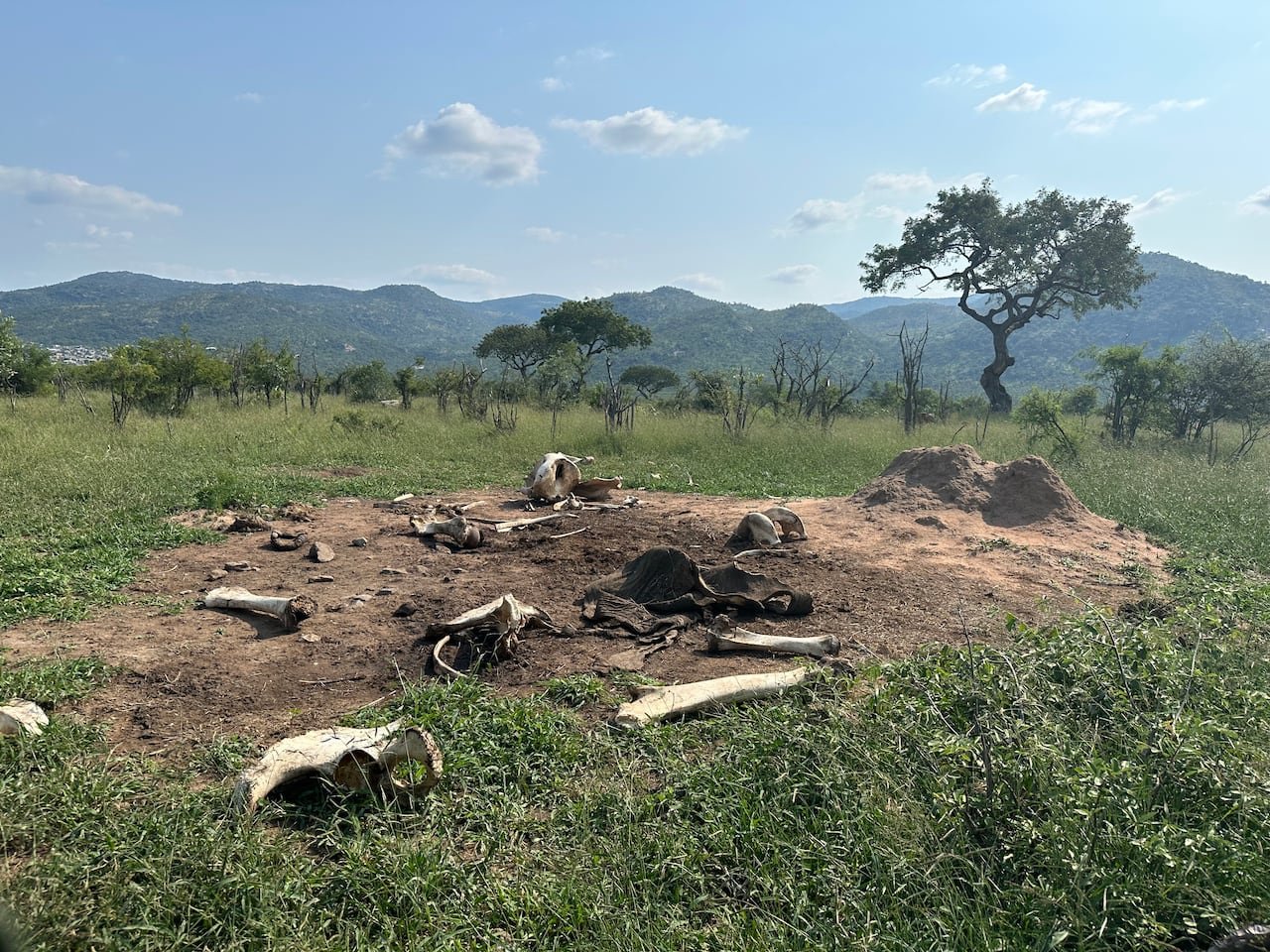
The study found that the high nutrient levels from elephant carcasses initially inhibit vegetation growth, resulting in barren patches known as “cold spots”