

Under the Trump administration, enforcement of cross-border cargo regulations has significantly increased, causing delays and financial burdens for shippers and acting as a deterrent to trade, according to industry experts.
Alongside the imposition of tariffs, the scrutiny and penalties related to freight have surged, reflecting a more protectionist stance in the United States concerning customs procedures.
Breanna Leininger, who oversees U.S. operations at Pacific Customs Brokers in Vancouver, described the shift as substantial. She noted a tenfold rise in the requests for documentation on shipped goods compared to previous years.
Leininger emphasized the heightened level of scrutiny from customs officials, stating that the frequency of in-depth inspections has multiplied significantly over the years.
Importers are increasingly required to provide extensive documentation, including labor and manufacturing records, to demonstrate compliance with product classifications and trade agreements. The level of evidence requested and the specific items subject to tariffs appear to be evolving regularly.
According to Leininger, the expectations from customs authorities are constantly changing, with a continuous demand for varying types of information.
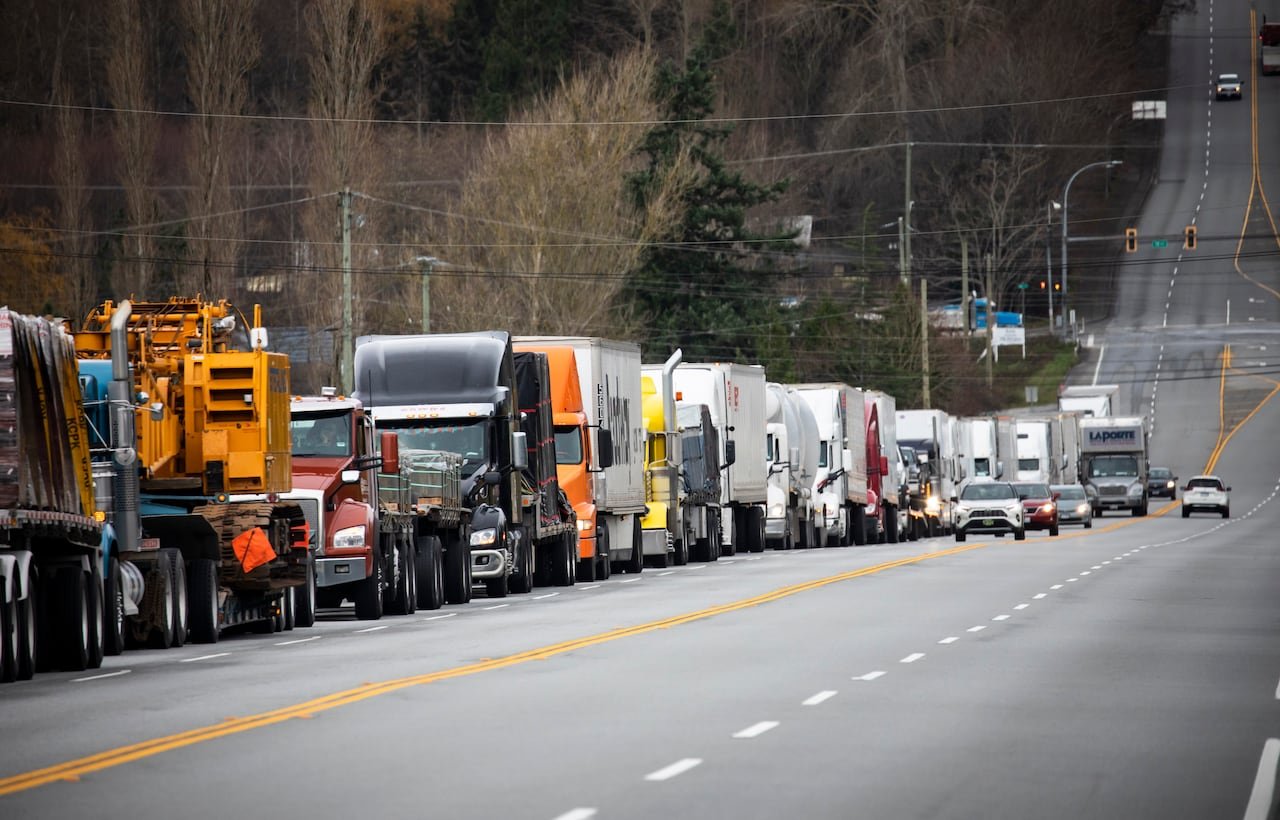
Official statistics support reports of stricter enforcement measures.
Data from U.S. Customs and Border Protection indicates a projected 26% increase in audits this year compared to 2024.
An audit involves reviewing an importer’s records to ensure compliance with tariff classifications, customs valuations, and obligations under trade agreements like the Canada-United States-Mexico Agreement.
In the first half of this year, U.S. customs authorities collected $70.6 million US in trade penalties by late July, marking a 169% increase from all of 2024.
This six-month total also represents a 53% rise from the entirety of 2025.
Escalating trade tensions
The intensification of enforcement actions coincides with an escalating trade dispute between Canada and the U.S., with both countries imposing new tariffs in recent weeks.
The delays at the border and the additional time needed for record-keeping contribute to increased costs and, in some cases, discourage cross-border trade.
Alan Dewar, executive vice-president at GHY, a customs brokerage in Winnipeg, emphasized the significant financial implications of these measures on businesses.